


Understanding why do I have shortness of breath when I lie down is the first step toward finding relief and ensuring your long-term health. In this article, we will explore the common causes, symptoms, and when it is time to seek professional medical advice.
What is Orthopnea?
Orthopnea is the clinical term for shortness of breath when lying flat. Unlike general breathlessness, this specific condition improves almost immediately when you sit up or stand. It often occurs because gravity causes a redistribution of body fluids, which can put pressure on the lungs or heart when you are horizontal.
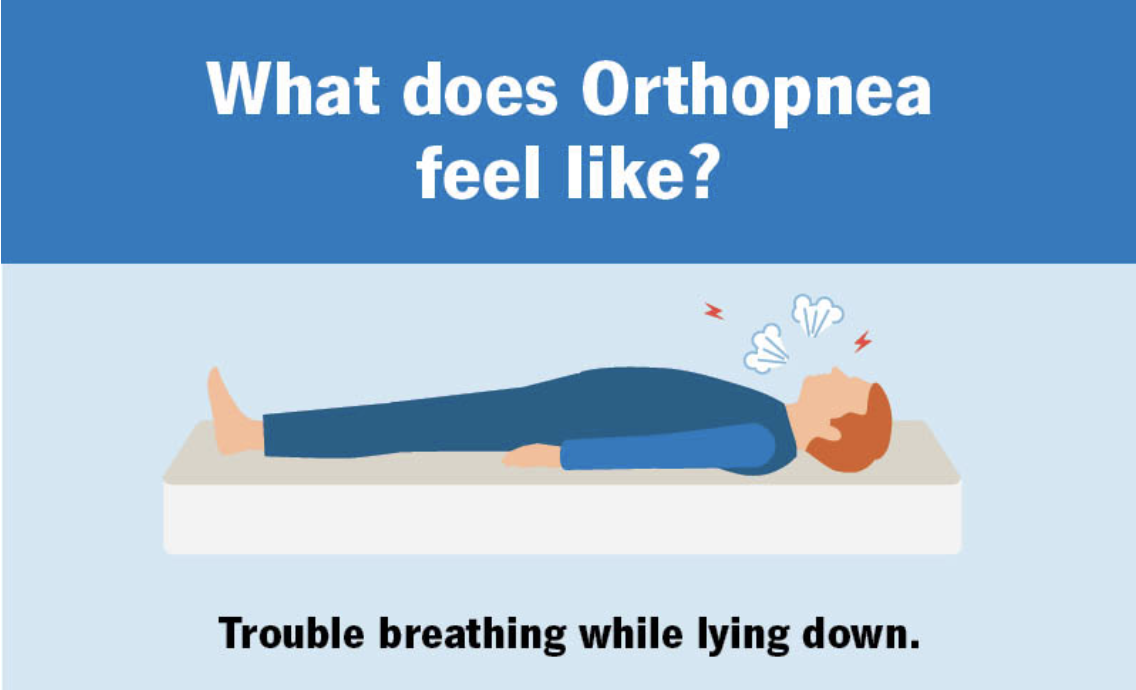
Common Symptoms to Watch For:
- A “heavy” feeling in the chest upon lying down.
- The need to use multiple pillows to prop yourself up (nocturnal dyspnea).
- Waking up suddenly gasping for air (Paroxysmal Nocturnal Dyspnea).
- A persistent cough that worsens in a reclined position.
5 Common Causes of Shortness of Breath When Lying Down
There are several reasons why your breathing might change when you change positions. Here are the most frequent culprits:
1. Heart Failure and Cardiovascular Issues
One of the most common reasons for difficulty breathing while lying down is congestive heart failure. When the heart is weakened, it struggles to pump blood effectively. When you lie flat, blood from the lower body returns to the heart more easily, overwhelming the weakened muscle and causing fluid to “back up” into the lungs.
2. Respiratory Conditions (COPD and Asthma)
If you suffer from Chronic Obstructive Pulmonary Disease (COPD) or asthma, lying down can cause mucus to pool in your airways. Additionally, the weight of the abdomen can press against the diaphragm, making it harder for compromised lungs to expand fully.
3. Gastroesophageal Reflux Disease (GERD)
It might surprise you, but your stomach can affect your lungs. GERD and shortness of breath are often linked. When you lie flat, stomach acid can travel up the esophagus and be inhaled in tiny amounts (micro-aspiration), causing airway irritation or spasms.
4. Sleep Apnea and Obesity
Obstructive Sleep Apnea (OSA) occurs when throat muscles relax and block the airway. If you are carrying excess weight, obesity-related shortness of breath is common because the extra pressure on the chest and abdomen makes breathing more labored when reclined.
5. Anxiety and Panic Disorders
Sometimes, the cause is psychological. If you associate bedtime with stress or racing thoughts, anxiety-induced shortness of breath can manifest as a feeling of tightness in the chest the moment you try to rest.
Comparison Table: Common Causes at a Glance
| Cause | Primary Symptom | Relief Method |
| Heart Failure | Swelling in ankles, persistent cough | Diuretics, propping up with pillows |
| COPD/Asthma | Wheezing, chest tightness | Inhalers, sleeping at an incline |
| GERD/Acid Reflux | Heartburn, sour taste in mouth | Antacids, avoiding food before bed |
| Anxiety | Rapid heart rate, restlessness | Deep breathing, meditation |
How to Manage Difficulty Breathing at Night
If you are struggling with nocturnal breathlessness, you can try these immediate adjustments:
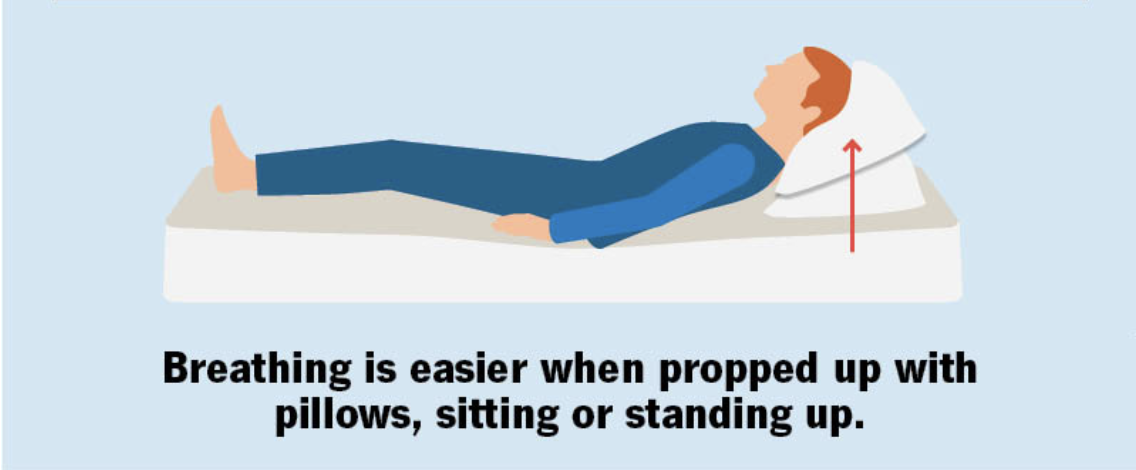
- Elevate Your Head: Use a wedge pillow or multiple standard pillows to keep your upper body at a 45-degree angle.
- Monitor Your Weight: Reducing pressure on the diaphragm can significantly improve airflow.
- Check Your Diet: Avoid heavy meals at least 3 hours before sleep to prevent GERD-related breathing issues.
When Should You See a Doctor?
While occasional breathlessness might be due to a stuffy nose or a temporary cold, chronic shortness of breath when lying down should never be ignored.
Seek emergency care if you experience:
- Chest pain or pressure.
- Bluish tint on lips or fingernails.
- Sudden, severe swelling in the legs or feet.
- Fainting or extreme dizziness.
Summary
Understanding why do I have shortness of breath when I lie down is vital for your quality of life. Whether the cause is a manageable condition like GERD or a more serious issue like heart failure, early diagnosis is key. Always consult with a healthcare professional to receive a personalized treatment plan for your breathing difficulties.
Do you find yourself asking, “Why do I have shortness of breath when I lie down?” This unsettling sensation, known in the medical world as orthopnea, can turn a restful night into a source of anxiety. If you struggle with difficulty breathing while lying flat, you aren’t alone. Understanding the causes of shortness of breath at night is essential for your health and peace of mind.
In this guide, we dive deep into the symptoms of orthopnea, the connection between heart failure and breathing, and how you can find relief from nocturnal dyspnea.
What is Orthopnea?
Orthopnea is a specific type of shortness of breath when I lie down that improves almost immediately upon sitting or standing up. It happens when the redistribution of body fluids puts extra pressure on the heart and lungs. If you find yourself needing three or four pillows to sleep comfortably, you are experiencing a classic sign of positional breathlessness.
Common Symptoms of Nocturnal Breathlessness:
- Chest tightness the moment you recline.
- A persistent dry cough when lying down.
- Waking up gasping for air (Paroxysmal Nocturnal Dyspnea).
- Wheezing or labored breathing that resolves when upright.
5 Major Causes of Shortness of Breath When I Lie Down
If you are experiencing shortness of breath when I lie down, it is often a symptom of an underlying condition rather than a disease itself.
1. Heart Failure and Fluid Buildup
The most common medical cause for shortness of breath when lying flat is congestive heart failure. When the heart muscle is weak, it cannot pump efficiently. When you lie down, gravity moves fluid from your legs toward your lungs. A weak heart cannot process this extra volume, leading to pulmonary congestion and difficulty breathing at night.
2. Respiratory Issues (COPD & Asthma)
Conditions like COPD (Chronic Obstructive Pulmonary Disease) and asthma make your airways sensitive. When you lie down, mucus can pool in the lungs, and the diaphragm is restricted by abdominal pressure, leading to asthma symptoms when lying down and shortness of breath.
3. GERD and Acid Reflux
Can stomach issues cause shortness of breath when I lie down? Yes. GERD (Gastroesophageal Reflux Disease)allows stomach acid to creep into the esophagus. If acid is inhaled (aspiration), it causes the airways to constrict, resulting in acid reflux breathing problems.
4. Sleep Apnea and Obesity
Obstructive Sleep Apnea causes the throat tissues to collapse during sleep. Furthermore, obesity-related shortness of breath occurs because excess weight on the chest and abdomen makes it physically harder for the lungs to expand while in a horizontal position.
5. Anxiety and Panic Attacks
Sometimes, shortness of breath when I lie down is psychological. The stillness of the night can trigger anxiety-related breathlessness. This often feels like a “suffocating” sensation or an inability to take a full, deep breath despite clear lungs.
Comparison of Common Causes
| Condition | Main Keyword | Unique Symptom |
| Heart Failure | Orthopnea | Swollen ankles/feet |
| COPD | Lung breathlessness | Chronic wheezing |
| GERD | Acid reflux breathing | Heartburn or sour taste |
| Anxiety | Tight chest at night | Racing heart/Panic |
How to Manage Difficulty Breathing While Lying Down
If you are struggling with nocturnal dyspnea, these steps may help you breathe easier tonight:
- Use a Wedge Pillow: Elevating your upper body reduces the pressure on your lungs and heart.
- Lifestyle Changes: Weight loss can significantly reduce pressure-related shortness of breath.
- Sleep Hygiene: Avoid eating large meals 3 hours before bed to prevent GERD-related breathing issues.
- CPAP Therapy: If diagnosed with sleep apnea, using a CPAP machine keeps the airways open.
When to See a Doctor
If you frequently think, “I can’t breathe when I lie down,” you should consult a physician. While some causes are minor, others, like heart failure, require immediate medical intervention.
Seek emergency help if you experience:
- Bluish lips or fingernails.
- Chest pain or pressure.
- Sudden, severe swelling in the legs.
- Fainting or confusion.
Summary
Understanding why do I have shortness of breath when I lie down is vital for your quality of life. Whether the cause is a manageable condition like GERD or a more serious issue like heart failure, early diagnosis is key. Always consult with a healthcare professional to receive a personalized treatment plan for your breathing difficulties.