

If you have ever looked in the mirror and wished for a “Hollywood smile,” you have likely considered dental veneers. They are the gold standard for fixing chips, gaps, and deep staining. However, the first question everyone asks is: How much are veneers?

In 2025, the cost of a smile makeover is more transparent than ever, but it still varies significantly based on the materials used and where you live. This guide breaks down everything you need to know about veneer pricing, hidden costs, and how to make this investment affordable
Average Cost of Veneers in 2025
The price of veneers is typically calculated per tooth. While a single veneer can fix a chipped tooth, most people opt for a “smile line” treatment, which involves 6 to 10 veneers on the upper teeth.
| Veneer Type | Average Cost (Per Tooth) | Estimated Lifespan |
| Composite Resin | $250 – $1,500 | 5–7 Years |
| Porcelain | $900 – $2,500 | 10–20 Years |
| Lumineers (No-Prep) | $800 – $2,000 | 10–20 Years |
| Zirconia / E-max | $1,000 – $3,000 | 15–20+ Years |
If you have ever looked in the mirror and wished for a “Hollywood smile,” you have likely considered dental veneers. They are the gold standard for fixing chips, gaps, and deep staining. However, the first question everyone asks is: How much are veneers?
In 2025, the cost of a smile makeover is more transparent than ever, but it still varies significantly based on the materials used and where you live. This guide breaks down everything you need to know about veneer pricing, hidden costs, and how to make this investment affordable.
Average Cost of Veneers in 2025
The price of veneers is typically calculated per tooth. While a single veneer can fix a chipped tooth, most people opt for a “smile line” treatment, which involves 6 to 10 veneers on the upper teeth.
| Veneer Type | Average Cost (Per Tooth) | Estimated Lifespan |
| Composite Resin | $250 – $1,500 | 5–7 Years |
| Porcelain | $900 – $2,500 | 10–20 Years |
| Lumineers (No-Prep) | $800 – $2,000 | 10–20 Years |
| Zirconia / E-max | $1,000 – $3,000 | 15–20+ Years |
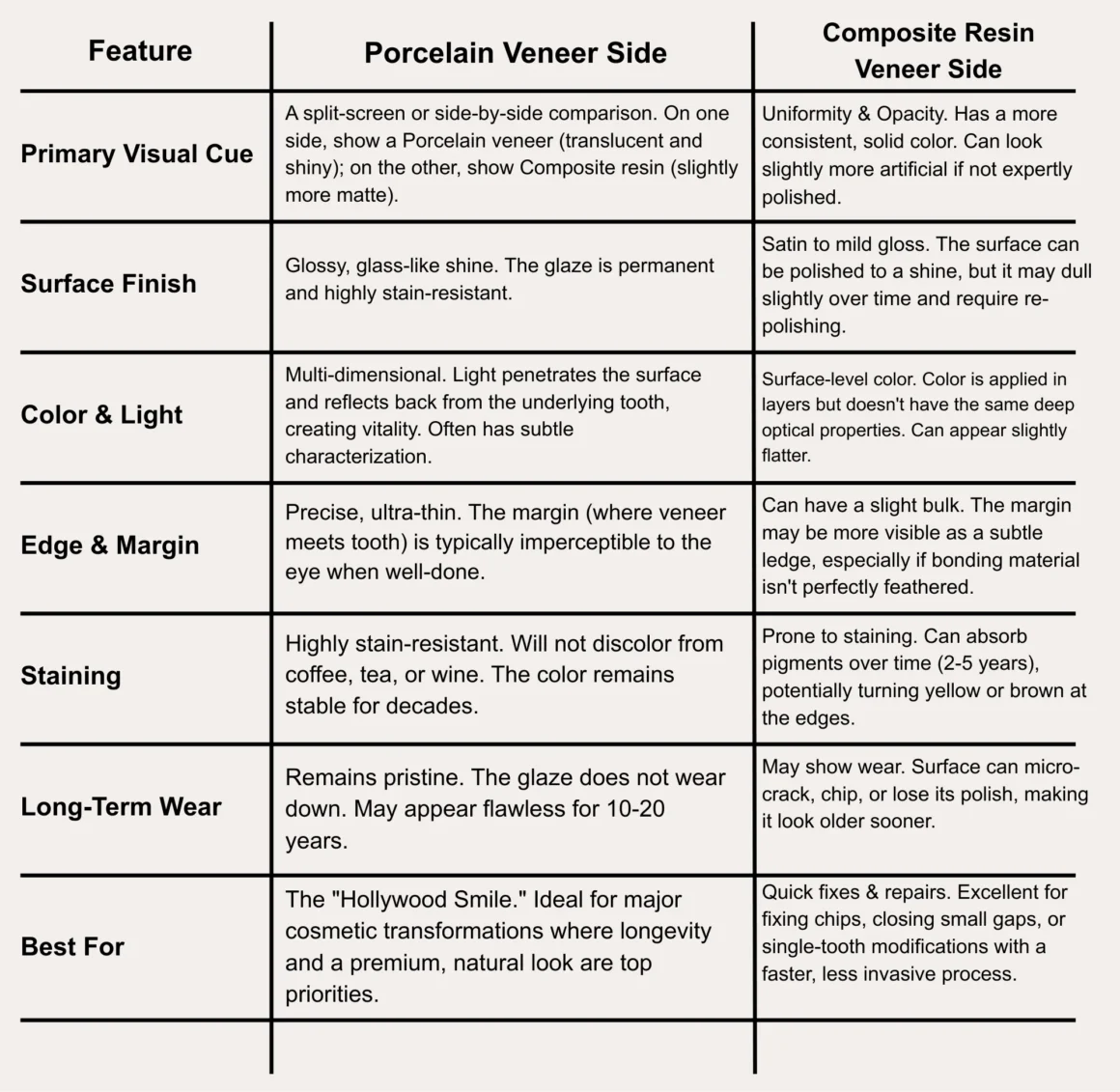
Breaking Down the Types: Which is Right for Your Budget?
1. Porcelain Veneers (The Gold Standard)
Porcelain is the most popular choice because it mimics the light-reflecting properties of natural teeth. They are highly stain-resistant and durable.
- Best for: Longevity and a completely natural look.
- Price factor: Higher due to laboratory fees and the custom-crafted nature of the shells.
2. Composite Veneers (The Budget-Friendly Option)
These are made from a tooth-colored resin (the same material used for fillings). They are often applied in a single visit.
- Best for: Minor corrections and those looking for a lower upfront cost.
- Price factor: Cheaper because they are sculpted directly on the tooth by the dentist, skipping the lab.
3. Lumineers & No-Prep Veneers
These are ultra-thin shells that require little to no removal of your natural tooth enamel.
- Best for: Patients who want a reversible option or have sensitive teeth.
- Price factor: Similar to porcelain, but can save money on “prep” time.
If the high price of porcelain isn’t in your budget right now, you might want to explore more affordable ways to brighten your smile. Check out our comprehensive guide on how to whiten teeth using professional and at-home methods.
What Actually Drives the Price Up?
It is rarely just about the piece of porcelain itself. Several factors influence your final bill:
- Geographic Location: A dentist in Beverly Hills or New York City will charge significantly more than a clinic in a smaller town due to overhead costs.
- Dentist Expertise: Cosmetic dentistry is an art. Highly sought-after specialists charge a premium for their “eye” for aesthetics.
- Laboratory Fees: High-end veneers are sent to boutique labs where master ceramists hand-paint the details.
- Preparation Work: If you need gum contouring, professional whitening for your other teeth, or fillings before the veneers are placed, your total will increase.
Hidden Costs to Consider
When budgeting, don’t just look at the per-tooth price. Ask your dentist if these are included:
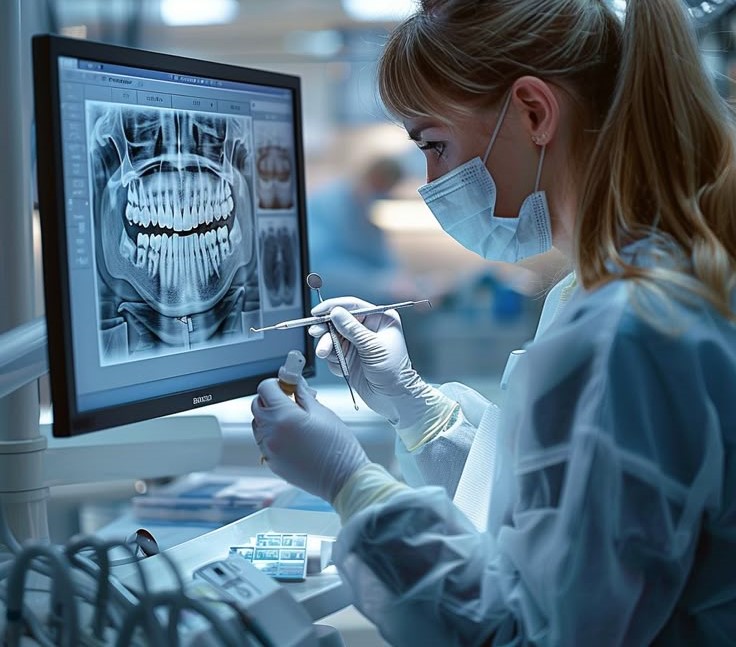
- Consultation & Imaging: $150 – $400 (3D scans and X-rays).
- Temporary Veneers: Often included, but sometimes billed separately ($200+).
- Sedation: If you are anxious and require sedation, expect an extra $200 – $600.
- Nightguards: To protect your investment from grinding (bruxism), a custom nightguard is essential ($300 – $500).
Insurance and Financing: Can You Get Help?
Since veneers are usually classified as an elective cosmetic procedure, standard dental insurance rarely covers them. However, there are exceptions:
- Restorative Necessity: If a veneer is used to repair a tooth damaged by an accident or trauma, insurance may cover up to 50%.
- HSA/FSA: You can often use your Health Savings Account or Flexible Spending Account to pay for veneers using pre-tax dollars.
- Payment Plans: Most modern dental offices offer third-party financing like CareCredit or LendingClub, allowing you to pay in monthly installments (often with 0% interest for 12–24 months).
The Bottom Line: Is it Worth It?
While the upfront cost of $10,000 to $20,000 for a full set can be jarring, many patients view it as a 15-year investment in their confidence. Porcelain veneers, though more expensive, often offer better value over time because they rarely need to be replaced compared to composite options.
Veneers are a big investment, but they aren’t the only way to transform your look. If you aren’t ready for a permanent change, discover our top tips and tricks on how to whiten teeth for a radiant smile without the surgery.

Pingback: How to Whiten Teeth: The Ultimate 2025 Guide to a Brighter Smile - Blog With Aafaq