


We’ve all experienced that split second of silence after a hard impact, followed by a wave of throbbing pain. Whether you caught your foot on a door frame or dropped a heavy object, the physical symptoms can be confusing. You’re likely staring down at your foot asking, “how do i know if my toe is broken or just bruised?”
Because the small bones in our feet (phalanges) are fragile, it is very easy to sustain a fracture. However, a severe contusion (bruise) can mimic the symptoms of a break. Here is a guide to help you distinguish between these two common injuries.
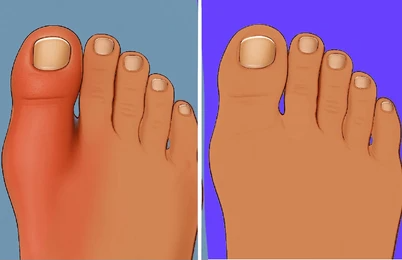
Physical Signs of a Broken Toe vs. a Bruised Toe
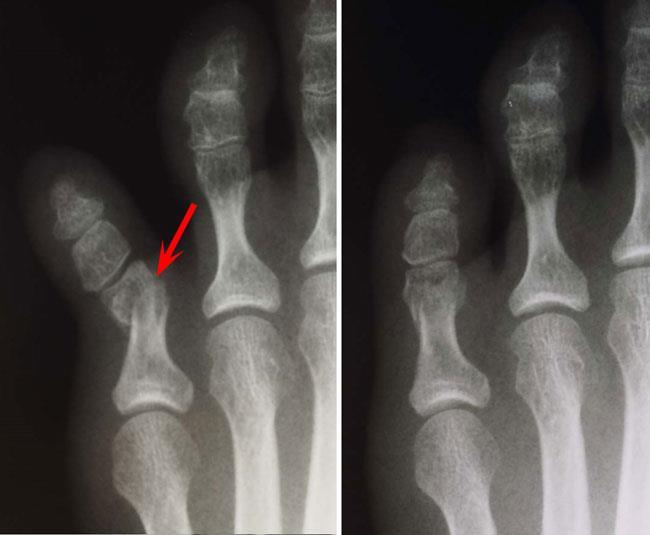
The most immediate way to tell the difference is through a visual inspection. While both injuries result in swelling, a fractured toe bone often presents with distinct physical deformities.
- Alignment: Look at the angle of the digit. If it appears crooked, twisted, or out of its socket, it is almost certainly a break or a dislocation.
- The “Crunch” Sound: Did you hear an audible snap or pop? Soft tissue bruising is silent, whereas bone fractures often produce a sound at the moment of impact.
- Localized Swelling: A bruise usually stays puffy at the point of impact. A break may cause the entire toe to swell until it looks like a “sausage digit,” often extending into the foot.
Identifying a Bone Fracture Through Pain and Mobility
When wondering how to tell if a toe is fractured, pay close attention to how the pain behaves over the first 24 hours.
- Weight-Bearing Ability: If you can walk with a slight limp, you may just have a deep bruise. However, if putting any weight on the foot causes sharp, stabbing pain that makes walking impossible, the bone is likely compromised.
- Movement: Try to gently wiggle the injured area. A bruised toe will feel stiff and sore, but a broken one will often feel “stuck” or cause an intense, deep throb when moved.
Recognizing Severe Bruising and Internal Bleeding
Discoloration is common in both scenarios, but the pattern of the bruising can provide a clue.
- Surface Bruising: A simple bruise typically turns reddish-purple and stays confined to the area that was hit.
- Ecchymosis (Deep Bleeding): In a fracture, blood from the bone marrow can leak into the surrounding tissue. This often causes the bruising to spread to the adjacent toes or pool underneath the foot in the days following the injury.
At-a-Glance Comparison Table
| Symptom | Bruised Toe | Broken Toe |
| Visual Shape | Swollen but straight. | May look deformed or crooked. |
| Mobility | Can usually wiggle it (with some pain). | Moving the toe feels nearly impossible. |
| Healing Time | 5 to 10 days. | 4 to 8 weeks. |
| Weight Bearing | Possible to walk with a limp. | Extremely painful to put any pressure. |
How to Treat a Broken or Bruised Toe at Home
Until you can see a professional, the best course of action is the R.I.C.E. protocol to manage inflammation:
- Rest: Avoid any unnecessary walking.
- Ice: Apply a cold pack for 15 minutes every hour to constrict blood vessels.
- Compression: Use “buddy taping” (taping the injured toe to the one next to it) to provide a natural splint.
- Elevation: Keep the foot raised above the heart to reduce throbbing and pressure.
When a Toe Injury Requires a Doctor’s Visit
While many people assume “there’s nothing a doctor can do for a toe,” this is a dangerous myth. You should seek medical attention if:
- The big toe is injured (it is vital for balance and gait).
- The pain does not decrease after 48 hours.
- The toe feels numb, cold, or turns a pale color.
- The bone has pierced the skin (an open fracture).
Summary To answer the question, “how do i know if my toe is broken or just bruised,” look for deformity and listen for a “crack.” If the toe is straight and you can walk on it, it is likely a bruise. If it’s crooked or the pain is unmanageable, an X-ray is necessary to ensure it heals correctly.