
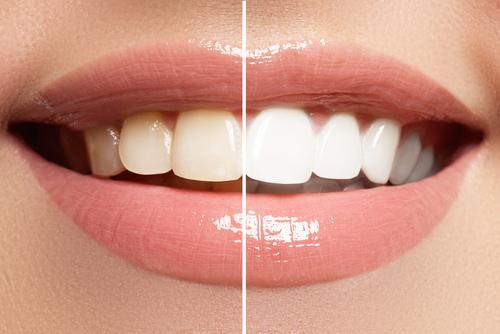


A radiant smile is often regarded as a universal symbol of health, confidence, and vitality. In a world where first impressions are heavily influenced by social media and professional interactions, it is no surprise that many people are searching for the best ways on how to whiten teeth. However, the path to a brighter smile is paved with both effective treatments and dangerous myths.
If you are looking for 100% legitimate, medically grounded information, this comprehensive guide will walk you through the science of tooth discoloration, at-home remedies, and professional treatments.
1. Understanding the Biological Science of How to Whiten Teeth
To master the art of brightening your smile, we must first understand why teeth change color. Your teeth are made of several layers. The outermost layer is the enamel, which is naturally white. Beneath the enamel is the dentin, a dense tissue that is naturally yellowish.
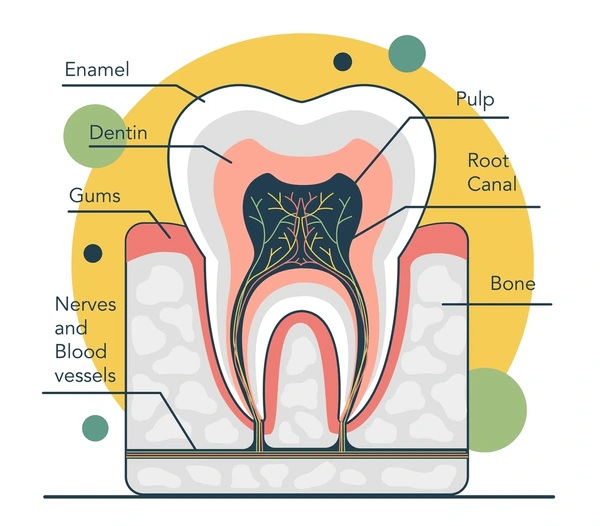
Why Do Teeth Stain and Require Whitening?
Tooth staining is categorized into two main types:
- Extrinsic Stains: These are surface-level stains on the enamel caused by lifestyle choices such as coffee, tea, red wine, or tobacco.
- Intrinsic Stains: These occur within the inner dentin, often due to aging, trauma, or childhood medication.
Knowing When Professional Whitening Isn’t Enough
If your stains are intrinsic (internal), traditional peroxide may not work. In these cases, you might consider more permanent cosmetic options like porcelain covers. To compare your options, you can check out our detailed guide on how much are veneers.
2. Best Natural Home Remedies: How to Whiten Teeth Without Chemicals
Many people prefer to start with a gentle approach. While natural methods work more slowly than clinical bleaches, they are excellent for maintaining a bright shade without harsh chemicals.
Using Baking Soda: A Simple Way on How to Whiten Teeth
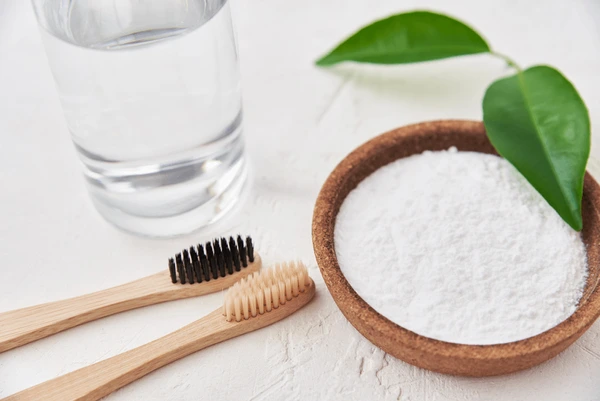
Baking soda (sodium bicarbonate) is a mild abrasive that physically scrubs away surface stains. It also creates an alkaline environment in the mouth, preventing the growth of acid-producing bacteria that cause yellowing.
- How to use: Mix one teaspoon of baking soda with water to form a paste. Brush with this twice a week.
The Role of Oil Pulling in Brightening Your Smile
This ancient technique involves swishing organic coconut oil in your mouth for 15 minutes. While it doesn’t “bleach” the enamel, it removes the bacteria and plaque that make teeth look dull and yellow.
Eating Crunchy Fruits and Vegetables to Clean Teeth
Fibrous foods like apples, celery, and carrots increase saliva production, which helps wash away sugars and acids. The physical act of chewing these firm foods also helps rub away some extrinsic stains naturally.
3. Top Over-the-Counter Products on How to Whiten Teeth Fast
If natural remedies aren’t providing the level of brightness you desire, the next step involves over-the-counter products. These provide a more noticeable chemical change to the tooth color.
Using Whitening Strips for Effective At-Home Results
Most modern strips use a low concentration of hydrogen peroxide. They are affordable and effective for surface stains but may not reach the crevices of crowded teeth.
Selecting the Right Whitening Toothpastes and Mouthwashes
Whitening toothpastes contain higher concentrations of abrasives or chemical polishers. They are excellent for daily maintenance but rarely change the actual “base color” of the tooth deeply.
The Evolution of LED Whitening Kits in 2025
Home kits with blue LED lights have become a household standard. The light helps accelerate the chemical reaction of the whitening gel, providing faster results than strips alone.
4. Professional Dental Advice on How to Whiten Teeth for Dramatic Results
For those who want immediate results—sometimes up to 8 shades whiter in one hour—a visit to the dentist is required. Professionals have access to high-concentration bleaching agents that are far more powerful than drugstore options.
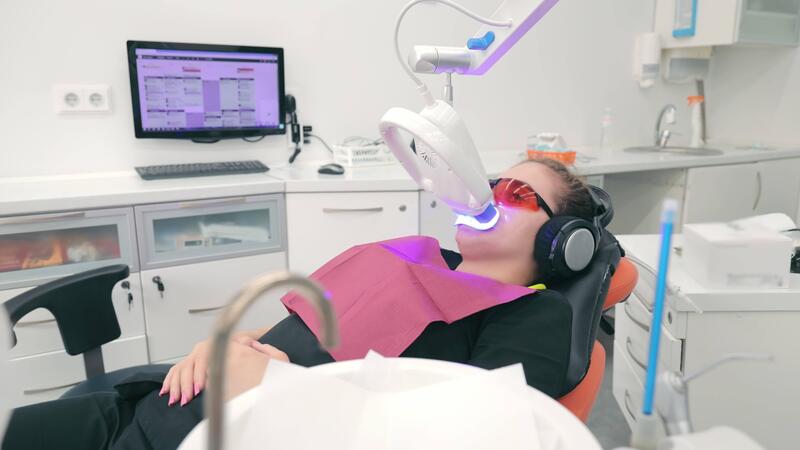
In-Office Laser Whitening for Instant Brightening
During this procedure, a dentist applies a high-concentration peroxide gel and activates it with a specialized laser. This is the fastest and most controlled way to achieve a “Hollywood” smile safely.
Custom-Fit Trays: The Dentist’s Secret on How to Whiten Teeth Safely
A dentist creates a mold of your teeth to make custom trays. You use a professional-grade gel at home for a few hours daily. This is often safer than generic OTC kits because the tray keeps the gel on the teeth and away from sensitive gums.
5. Identifying Dangerous DIY Myths on How to Whiten Teeth
In your quest for a brighter smile, you must avoid these dangerous trends that can lead to permanent tooth damage:
Why You Should Avoid Using Undiluted Lemon Juice
The high acidity of citrus dissolves enamel permanently. Once enamel is gone, your teeth will actually look more yellow because the yellowish dentin is exposed.
The Hidden Dangers of Activated Charcoal for Teeth
Charcoal is highly abrasive. It acts like sandpaper on your teeth, wearing down the protective enamel layer rather than actually cleaning it.
6. Maintenance and Daily Habits: How to Whiten Teeth for the Long Term
Whitening is a maintenance game. To keep your results, you must follow these strategies:
The “Straw Rule” to Prevent New Stains
Drink coffee and tea through a straw to minimize contact with your front teeth. This is the simplest preventive measure for a white smile.
Post-Meal Rinsing and Proper Oral Hygiene
Swish water in your mouth after eating dark foods like berries or balsamic vinegar. This prevents pigments from bonding to your enamel.
Why You Should Wait 30 Minutes Before Brushing
Avoid brushing immediately after consuming acidic foods . Wait 30 minutes for your saliva to re-mineralize the enamel, or you risk scrubbing the softened enamel away.
7. Frequently Asked Questions on How to Whiten Teeth
Does teeth whitening damage the enamel?
When performed correctly using approved methods, it is safe. It temporarily opens the “pores” of the tooth to lift stains but does not strip the structure permanently.
Why do my teeth feel sensitive after a whitening session?
Whitening agents can temporarily dehydrate the tooth, making the nerves more sensitive to temperature. This usually subsides within 24–48 hours. Using a potassium nitrate toothpaste can help.
Can whitening fix “dead” or gray teeth?
Grayish teeth are usually a sign of internal trauma or dead nerves. In these cases, surface whitening will not work. You may need internal bleaching from a dentist or a permanent cover; you can learn more about the pricing for covers in our post: how much are veneers.
Conclusion: Finding the Right Balance on How to Whiten Teeth
Learning how to whiten teeth effectively is about balancing aesthetics with health. While at-home remedies like baking soda are great for maintenance, professional treatments offer the most transformative results. Regardless of the method you choose, the key is consistency and protecting your enamel from damage.


Pingback: How Much Are Veneers: Pricing and Cost Guide - Blog With Aafaq